Short answer: usually yes, but not always first.
That second part matters, and most articles on this topic skip it. Insulation is one of those projects that pays for itself in some homes and quietly wastes money in others, and the difference almost always comes down to what is happening underneath your house before the insulation goes in.
We have been under Alabama homes since 1977. Here is how we actually think about this question when a homeowner asks us on site.
What Crawl Space Insulation Does in Alabama
Alabama asks a lot of a crawl space. Summers push hot, humid air under the house for months at a time. Winters are short but real, especially from Birmingham north. Your floor sits directly on top of all of it.
A properly insulated crawl space does three things you can feel:
- Warmer floors in January. If you have ever crossed a bathroom floor in February and flinched, that cold is coming up from an uninsulated crawl space.
- Less work for your HVAC. Conditioned air leaks down, outside air leaks up, and your system runs longer to cover the difference. Insulation narrows that gap.
- A more even house. Rooms over the crawl space stop behaving differently from rooms over the slab portion or the second floor.
None of that is controversial. The honest question is whether insulation is the right next dollar for your particular crawl space, and that depends on what else is going on down there.
When Crawl Space Insulation Should Wait
Here is the part we would rather tell you now than after you have paid for it twice:
If your crawl space has a moisture problem, insulation goes in last, not first. Fiberglass insulation in a damp Alabama crawl space can hold moisture, sag, and pull away from the subfloor. That trapped moisture can also create conditions that encourage mold growth on nearby wood. We remove failed insulation from crawl spaces across the state, and nearly every time the insulation was fine. The crawl space was not.
Signs you have prep work to do first:
- Standing water or damp soil after rain
- A musty smell in the crawl space or drifting into the house
- Condensation on ducts or pipes in summer
- Existing insulation that sags or has fallen
If any of those sound familiar, the sequence is drainage and moisture control first, then encapsulation or a vapor barrier, then insulation. Done in that order, each layer protects the one after it. Done backwards, the moisture eats the insulation and you start over.
When Crawl Space Insulation Is Worth It
A dry crawl space, or one that has been properly sealed, is a different story. That is where insulation earns its keep, and where we see it perform for decades instead of years.
It makes the most sense when:
- Your floors are cold every winter. That is the clearest signal your crawl space is stealing heat.
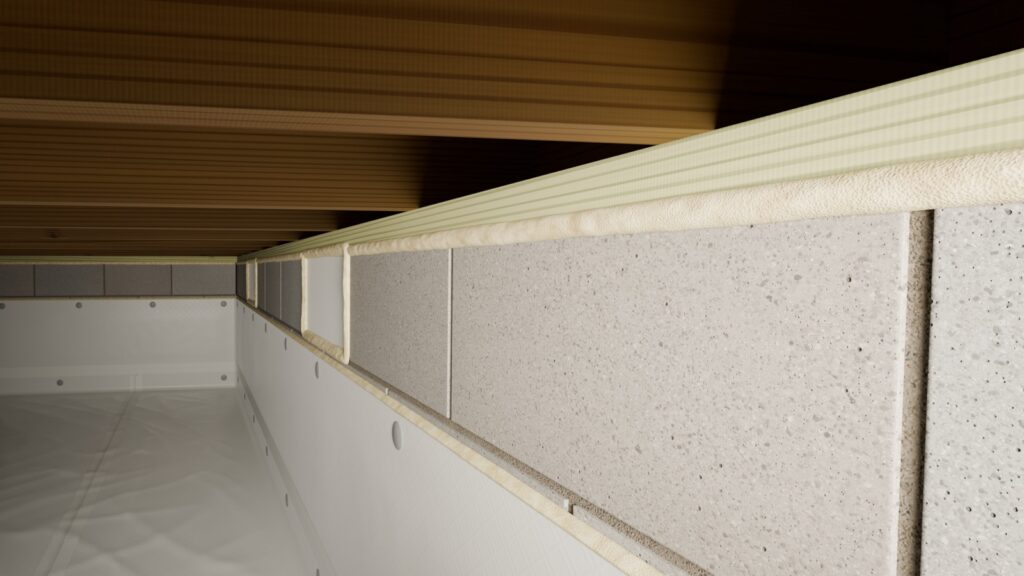
- You have already encapsulated. A sealed crawl space with a vapor encapsulation liner is the ideal environment for insulation, because the moisture that destroys fiberglass never reaches it.
- Your energy bills climb every summer and winter. An unsealed, uninsulated crawl space is often the single leakiest part of an older Alabama home.
- Your ductwork runs through the crawl space. Uninsulated ducts in a vented crawl space lose conditioned air into space you are not living in. Sealing and insulating around them recovers loss you have been paying for every month.
How Alabama Humidity Affects Crawl Space Insulation
National articles about crawl space insulation are mostly written for northern climates, where the enemy is cold. Down here the enemy is humidity, and that changes the answer.
In a humid climate, the old approach of stuffing fiberglass between the floor joists above a vented crawl space often fails, because summer air moving through the vents carries moisture straight into the insulation. That is why the conversation in Alabama increasingly starts with sealing the crawl space rather than just padding the floor above it. Insulating the crawl space walls inside a sealed, encapsulated space keeps the whole area drier and more stable than the vented approach ever did.
If your home is in Mobile or anywhere along the Gulf, this matters even more. The moisture load down there is relentless, and a vented crawl space with floor insulation is fighting a battle it rarely wins.
Is Crawl Space Insulation Worth It?
Worth it, in this order:
- Fix any water or moisture problem first. No exceptions.
- Seal or encapsulate if humidity is the ongoing issue, which in Alabama it usually is.
- Then insulate, and enjoy floors that do not announce the seasons.
If you skip to step three, you are buying insulation twice.
The only way to know which step your crawl space is on is to look. We do that every day, and we will tell you plainly if insulation is not what you need yet. That honesty is cheaper for you and better for us, because the repair that lasts is the one that was done in the right order.
Not Sure What Your Crawl Space Needs First?
Schedule a free estimate with APS Foundation Repair. We will get under the house, show you what we find, and lay out the right sequence with no obligation.