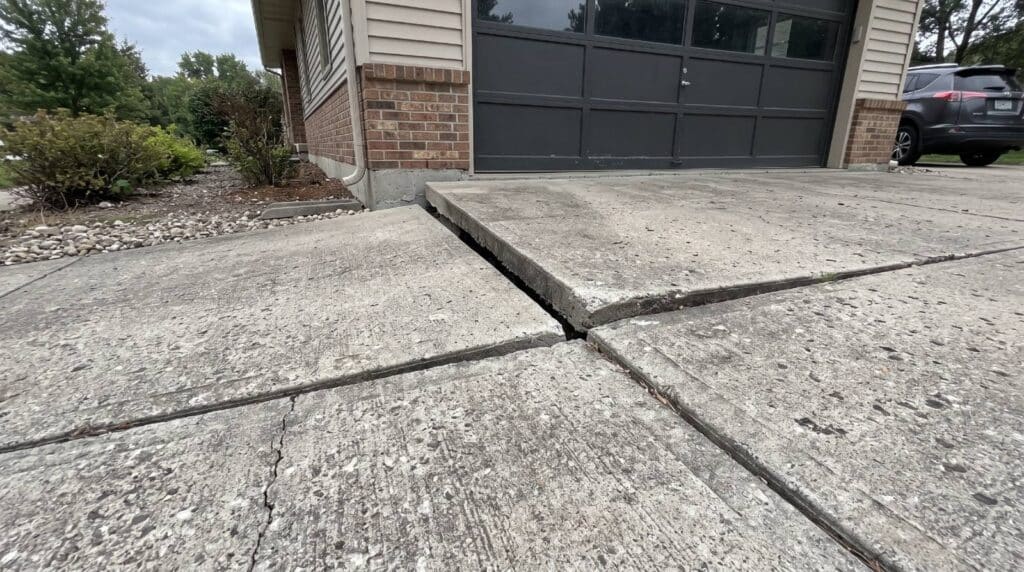
Concrete problems often start small, such as a crack in the driveway or a slight sidewalk dip, but they can quickly become serious. Beyond the eyesore, they pose trip hazards, signal foundation issues, and chip away at your home’s value.
The good news is that most concrete damage can be repaired without the cost of full replacement. But it is key to understand what kind of fix you need (and how much it should cost).
This guide breaks down common concrete repair types, real cost ranges, and the factors that drive up or lower your final price. Whether you’re facing urgent damage or planning ahead, this is the no-fluff, cost-smart guide you’ve been looking for.
Why Concrete Damage Happens and Gets Worse Over Time
Concrete is built to last, but it’s not invincible. Over time, even the toughest slabs can crack, sink, or crumble under pressure. What starts as a small blemish can quickly become a safety risk or a sign of deeper structural problems.
Here’s what usually causes it:
- Soil erosion beneath the slab that removes critical support
- Freeze-thaw cycles that expand and contract the concrete, leading to cracks
- Heavy loads, such as cars, trucks, or equipment that stress the surface
- Poor drainage that lets water seep below the concrete and weaken its base
When these issues go unaddressed, they lead to bigger problems like uneven surfaces, trip hazards, or total slab failure. The sooner you repair concrete damage, the more you save in the long run, both in cost and peace of mind.
Taking proactive steps like implementing moisture control solutions for your basement can dramatically reduce the risk of structural issues caused by trapped water and unstable soil conditions.
Average Concrete Repair Costs by Type
Concrete repair isn’t one-size-fits-all. The price depends on the problem, its severity, and the method used to fix it. Below is a breakdown of what homeowners can typically expect to pay for common repair services:
Repair Type | Estimated Cost Range |
Concrete Crack Repair | $100 – $2,000+ |
Concrete Leveling | $500 – $6,000+ |
| |
Concrete Sealing | $1,350 – $3,500 |
Concrete Patching | $100 – $500+ |
Full Concrete Replacement | $2,000 – $15,000+ |
Keep in mind: These are average repair estimates. Your actual cost may vary based on your region, the size of the area, the depth of damage, and the specific repair method needed.
1) Concrete Crack Repair Cost

Cracks are among the most common and overlooked signs of concrete damage. Although they might seem minor initially, if ignored, they can let in water, weaken the slab, and even lead to foundation problems.
The cost of concrete crack fix is $100 – $1,000, depending on the width, depth, and cause of the damage:
- Hairline or minor cracks are typically cosmetic and can be sealed with a flexible polyurethane or silicone-based filler. It’s best for driveways, sidewalks, or patios with light cracking.
- Wider or structural cracks may need epoxy injection, a more advanced method that bonds the crack internally and restores strength to the slab.
However, if the crack is caused by underlying slab movement or soil settlement, sealing alone won’t solve the problem. In these cases, concrete leveling or foundation crack fix may also be needed to stop the damage from coming back.
Fixing cracks early is one of the most cost-effective ways to protect your home from bigger concrete problems and bigger repair bills in the future.
2) Concrete Leveling Cost

Uneven concrete is more than a surface problem. A sinking driveway, walkway, or patio can create serious trip hazards and drainage issues and even point to deeper soil instability. These issues often result from erosion, poor compaction, or soil shrinkage beneath the slab, leaving it unsupported and vulnerable to cracking or collapse.
Concrete leveling is a cost-effective way to fix this problem without tearing out and replacing the entire slab. Instead of starting from scratch, the goal is to raise and support the existing concrete back to its original height.
Common Methods of Concrete Leveling:
- Mudjacking: Involves pumping a heavy slurry mixture beneath the slab to lift it. While effective, the added weight can stress weak soils and may eventually lead to further sinking.
- Grout pumping (cement slurry): Similar to mud jacking but uses a finer mix. It’s less invasive but still heavy.
- Polyurethane foam injection: A modern, lightweight sunken concrete repair solution that’s become the industry’s preferred method for many leveling jobs.
What Does It Cost?
Concrete leveling typically ranges from $500 to $6,000+, depending on:
- The size and number of slabs being lifted
- How far the slab has sunk
- Site accessibility and soil conditions
We recommend polyurethane foam injection at APS Foundation Repair because it’s fast, precise, and long-lasting. The lightweight, waterproof foam lifts concrete without stressing the soil and cures in hours. It’s cleaner and less invasive than traditional methods.
What’s Included:
- Thorough cleaning and surface prep to ensure proper bonding
- Application of a high-performance concrete overlay
- Optional textures, colors, or finishes for a custom look
- Final sealing for added protection
Average Cost:
Depending on the size of the area and the finish you choose, you can expect to pay between $600 to $13,000. Concrete leveling is a cost-effective way to boost curb appeal, extend the life of your slab, and avoid the hassle of full replacement. It’s a smart upgrade when you want lasting results without a major renovation.
3) Concrete Sealing Costs
Concrete sealing is one of the easiest ways to extend the life of your slab and keep it looking clean and fresh. A quality sealer protects against stains, moisture, freeze-thaw cycles, and surface wear, especially in high-traffic areas like driveways, patios, and walkways.
What Affects the Cost?
The cost of concrete sealing typically ranges from $640 to $1,000 or more, depending on several key factors:
- Total surface area: Larger areas require more sealer and labor.
- Porosity of the concrete: Older or more absorbent surfaces soak up more sealer, increasing material needs.
- Type of sealer used: Penetrating sealers, high-gloss finishes, or UV-resistant coatings can also affect price.
Sealing is a smart preventative investment that improves appearance and prevents costly damage from water intrusion, salt stains, and oil stains. When applied properly, it can add years to concrete’s lifespan and reduce the need for future concrete slab repairs.
4) Cost of Patching and Small Repairs

Alt text: patching concrete cracks
Not all concrete problems require major repairs. For minor surface issues, like small holes, chips, flaking, or light spalling, patching concrete is quick and affordable. This method involves applying a repair compound directly to the damaged area, smoothing it out, and blending it with the surrounding surface.
Typical Cost:
Patching small areas usually costs between $100 and $500+, depending on the extent of the concrete damage, accessibility, and materials used.
When to Use Patching:
- Surface blemishes on sidewalks, patios, or garage floors
- Damage is limited to the top layer of the slab
- Quick fixes to improve appearance or prevent further wear
While patching is the most budget-friendly option, it’s also temporary. Over time, patched areas may wear differently than the original concrete, especially under heavy use or harsh weather. For better long-term performance and visual consistency, combine patching with sealing to protect the slab and extend the life of your repair.
5) Full Concrete Replacement Costs

Sometimes, concrete is too far gone for patching or sealing to make a difference. Full concrete replacement may be the only safe and effective option if your slab is severely cracked, crumbling, heaving, or structurally compromised.
This replacement process involves demolishing and removing the old slab, prepping the base, and pouring new concrete. This is a more labor-intensive and time-consuming project than standard repairs.
Average Cost:
Full concrete replacement typically ranges from $2,000 to $15,000+, depending on:
- The size and thickness of the slab
- Accessibility of the site
- Whether reinforcement (like rebar or mesh) is required
- Additional needs, such as grading or drainage improvements
While replacement carries a higher upfront cost, it offers a fresh start, especially for surfaces with multiple problem areas or underlying structural issues. New concrete also allows you to upgrade with decorative finishes or reinforced designs that improve curb appeal and durability.
For homeowners dealing with widespread or deep-set damage, replacement can be a smart long-term investment that restores concrete safety and value.
What Affects Your Concrete Repair Cost?
The cost to repair concrete depends on a few key factors. Knowing what drives the price helps you plan better and avoid surprises.
Main Cost Factors:
- Size of the Repair Area: Larger surfaces require more time, materials, and labor, raising the overall cost.
- Severity of Damage: Surface cracks are cheaper to fix than deep structural issues that may require lifting or reinforcement.
- Accessibility: Hard-to-reach areas can increase labor costs, especially if special equipment is needed.
- Repair Method: Some methods cost more but last longer. For example, polyurethane foam injection offers long-term results but comes at a higher price than mudjacking. Replacement is the most expensive.
- Soil Conditions: In areas like Alabama, expansive clay soil can lead to ongoing movement. Stabilizing poor soil often adds to the total cost.
APS Foundation Repair vs. DIY or Temporary Fixes
DIY concrete repair might seem like a money-saving option, but it often costs more in the long run. Store-bought sealants or patch kits may cover up visible damage, but they rarely fix what’s happening underneath. Without the right tools, experience, or understanding of soil conditions, these quick fixes sometimes fail within months.
Worse, poorly executed DIY repairs can void warranties, lower your home’s resale value, or even make the problem harder (and more expensive) to correct later.
Why Homeowners Trust APS Foundation Repair:
- Fast, Accurate Assessments: Our trained specialists identify not just the symptoms of concrete damage but the root cause of the problem.
- Proven Repair Methods: We use industry-leading techniques like polyurethane foam injection, slab stabilization, and pier systems tailored to your home’s needs.
- Clear, Upfront Pricing: No guesswork. You’ll know exactly what to expect before work begins.
- Warrantied Work for Peace of Mind: Many of our services come with transferable warranties, offering long-term protection and added home value.
Don’t leave repairs to guesswork regarding your home’s safety and stability. APS delivers permanent solutions that are done right the first time.
What’s the Process Like?
At APS Foundation Repair, we make the concrete repair process straightforward, stress-free, and transparent. From the first inspection to the final walkthrough, you’ll know exactly what to expect every step of the way.
Here’s How It Works:
- Free, No-Pressure Assessment: One of our trained technicians will visit your property to inspect the damage. We will identify what’s causing the problem, not just the surface symptoms, and explain your options in simple terms.
- Custom Repair Plan & Estimate: You’ll receive a detailed, written estimate outlining the recommended repair method, timeline, and cost. No hidden fees. No pressure. Just honest pricing based on what your home needs.
- Professional, Hassle-Free Repair: Our crews arrive on time, complete the work efficiently, and clean your property. Whether we’re sealing cracks, lifting sunken slabs, or stabilizing a foundation, we treat your home with the respect it deserves.
- Warranty-Backed Work: Most APS repairs include multi-year or even lifetime warranties, giving you confidence that the job is built to last and that we’ll stand behind it.
It’s all part of why homeowners across Alabama trust APS for reliable, long-term concrete repair solutions.
Frequently Asked Questions About Concrete Repair Costs and Methods
- What causes concrete to crack or sink?
Concrete cracks or sinks due to soil erosion, poor drainage, heavy loads, or freeze-thaw cycles. In Alabama, expansive clay soil also contributes by shifting with moisture changes. Over time, this movement weakens the slab’s support, causing cracks, uneven surfaces, or full settlement that may need repair.
- Is it better to repair or replace damaged concrete?
In many cases, repairing concrete is faster and more cost-effective than replacement. Crack sealing and leveling can restore function and appearance if the slab is structurally sound. However, full replacement may be the safer long-term solution if the concrete damage is severe or widespread.
- How long does a concrete repair take?
Most concrete repair jobs such as sealing or foam injection leveling are completed in just a few hours. Larger projects, such as slab replacement, may take a day or more. APS provides a clear timeline during your consultation so you know exactly what to expect.
- Do concrete repairs come with a warranty?
Yes. APS Foundation Repair offers warranties on most concrete services. Foam injection typically includes a warranty and structural repairs may include lifetime transferable coverage.
Ready for a Professional Estimate?
Don’t leave your home’s safety or value to chance. DIY patches may seem quick, but they often miss the root of the problem—and cost you more later. At APS Foundation Repair, we offer free inspections, honest pricing, and long-lasting concrete repair solutions you can count on.
👉 Call today or schedule your free inspection online. Your home deserves strong, stable concrete—and APS delivers every time.