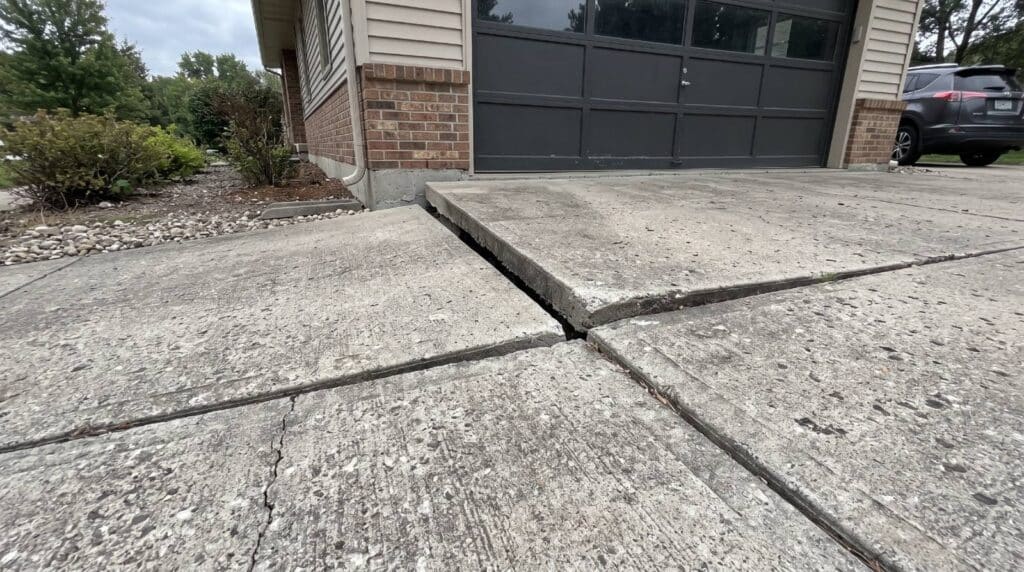
Are Tree Roots Lifting Your Concrete Slab?
If you’ve noticed cracks in your driveway, uneven sidewalks, or patio slabs that suddenly feel like tripping hazards, you might be dealing with an unexpected culprit—tree roots. While trees add beauty and shade, their roots can cause concrete slab lifting, creating major problems around your home.
So what exactly causes tree roots to lift concrete slabs, and what can you do about it? Let’s walk through everything you need to know—from spotting early signs to root barrier installation, repair options, and prevention strategies that protect your home long-term.
What Causes Tree Roots to Lift Concrete?
Tree roots grow where they find water, oxygen, and room to expand. Unfortunately, that often means they grow toward the surface—especially when soil is compacted or moisture is closer to the top layer. Here’s how this leads to slab upheaval:
1. Shallow Root Systems
Some trees—like maples, willows, and poplars—have aggressive surface roots that grow wide, not deep. These roots spread just below the surface and push upward against concrete slabs, lifting them slowly over time.
2. Water-Seeking Behavior
Roots naturally grow toward sources of water. If your yard has poor drainage, leaking pipes, or excess moisture near your home, roots will migrate toward those areas—right under patios, sidewalks, and driveways.
3. Limited Space
In urban or suburban yards, trees are often planted close to structures. As they mature, their roots don’t have space to spread. Instead, they grow up and out—lifting any concrete in their path.
Signs of Root Intrusion and Concrete Lifting
Tree roots don’t lift slabs overnight. But there are warning signs that a problem is forming:
- Cracked or uneven concrete slabs
- Visible bulges or raised sections in walkways or driveways
- Cracks in your home’s foundation or garage floor
- Raised edges where sidewalk sections meet (trip hazards)
- Warped or broken pavers in patios or porches
- Tree roots visible at the surface near concrete structures
If you’re seeing these signs, it’s time to take action. Left unaddressed, tree root intrusion can lead to foundation damage, safety issues, and costly repairs.
Prevention: How to Stop Roots from Lifting Concrete
The best solution is to stop root damage before it starts. Here’s how to protect your home and hardscapes from future problems:
1. Root Barrier Installation
Installing a root barrier is one of the most effective ways to prevent root damage. These barriers redirect root growth away from concrete structures and are typically made from high-density polyethylene or woven geotextile material.
- Installed vertically in the soil between the tree and the structure
- Can stop roots from growing under driveways, sidewalks, and foundations
- Most effective when installed during landscaping or construction—but retrofitting is possible
2. Tree Root Removal
In some cases, removing problem roots is necessary—especially if they’ve already started lifting concrete. However, this must be done carefully:
- Cutting too many roots can destabilize or kill the tree
- Always consult a certified arborist before root removal
- Roots closer than 3x the tree’s diameter are likely structural. They help hold the tree up. Cutting those roots could make the tree unstable.
3. Choose the Right Trees
If you’re planting new trees near concrete, choose species with less aggressive roots:
- Avoid fast-growing trees like silver maple, poplar, or elm
- Opt for slower-growing, deep-rooting trees like oaks or Japanese maple
- Maintain proper distance from hardscapes: at least 15–20 feet
4. Improve Drainage
Keep water away from your home and walkways:
- Use downspout extensions to direct water away from slabs
- Grade your yard so water flows away from structures
- Consider French drains or dry wells to manage runoff

Repair Options for Lifted or Cracked Concrete
Once concrete is lifted or cracked due to root intrusion, you have a few repair options depending on the extent of the damage:
1. Concrete Grinding
If the lifting is minimal and limited to surface level, grinding down the raised slab edge can reduce trip hazards and restore a smooth surface.
Best for: Minor sidewalk lifting and uneven seams.
2. Slab Re-Leveling With Polyurethane Foam
For sunken or uneven slabs, polyurethane foam injection lifts and stabilizes the concrete without replacing it. This method is:
- Non-invasive
- Quick (typically takes just hours)
- Long-lasting
Note: This is ideal for settled slabs, not severely uplifted ones caused by roots.
3. Full Concrete Replacement
If the slab is severely cracked or lifted, full replacement may be necessary. This involves:
- Removing the damaged slab
- Cutting back roots or installing a root barrier
- Pouring a new slab with proper reinforcement and expansion joints
4. Cracked Concrete Repair
Even if the slab hasn’t lifted, cracks caused by root pressure can widen over time. Sealing those cracks with professional-grade fillers prevents water intrusion and further damage.
For more information, see Concrete Repair Cost Guide: What to Expect for Common Repairs.

Can Tree Roots Damage My Home’s Foundation?
Yes—if left unchecked, roots can lead to foundation damage. While roots rarely break through a concrete foundation, they can:
- Displace soil under the footing, causing settlement
- Create moisture pockets that lead to erosion
- Exert lateral pressure on foundation walls over time
If you notice interior wall cracks, uneven floors, or doors that don’t close properly—your issue might go deeper than your driveway. Schedule a foundation inspection right away.
Safety Risks of Tree Root Lifting
Beyond damage, lifted concrete poses serious safety hazards:
- Trip-and-fall accidents on uneven sidewalks or patios
- Bicycle, stroller, or wheelchair obstructions
- Lawnmower damage on raised slabs
- Water pooling, leading to slippery conditions
These hazards aren’t just inconvenient—they can lead to liability issues if someone gets hurt on your property. Fixing the problem early is safer and more affordable.
APS: Your Local Root Control and Concrete Repair Experts
At APS Foundation Repair, we’ve helped Alabama homeowners for over 45 years with problems just like this. We don’t just patch the surface—we find and fix the root of the issue.
Our services include:
- Root barrier installation
- Tree root damage evaluations
- Concrete slab lifting with polyurethane foam injection
- Cracked concrete repair and sealing
- Foundation inspections
- Long-term root control solutions
How to Get Started
Worried about tree roots lifting your concrete slab? Don’t wait for more cracks or a dangerous fall.
Here’s how to take action:
- Schedule a Free Inspection
Our experts will assess the damage, identify root-related issues, and recommend the right solution. - Get a Custom Repair Plan
Whether it’s slab leveling, root barrier installation, or full replacement—we’ll guide you step-by-step. - Enjoy Peace of Mind
With expert repairs and prevention in place, your home stays safe, stable, and beautiful.
Final Thoughts
Trees and concrete don’t always play nicely. However, by acting early and working with a trusted expert like APS, you can stop tree root intrusion, repair damage, and prevent future problems.
Don’t ignore the signs. Fix the problem at the root—literally.
Call APS Foundation Repair today for your free inspection.
Protect your property with expert root control and concrete repair.