Should You Encapsulate Your Crawl Space Yourself?
If you’ve been dealing with musty odors, mold, or high humidity in your home, your crawl space could be to blame. That’s where crawl space encapsulation comes in—a process that seals off the area beneath your home from moisture and outside air.
With countless blogs, videos, and DIY encapsulation kits available, it’s tempting to tackle the project yourself. But is DIY crawl space encapsulation really worth it? Or is it better—and safer—to trust a professional?
Let’s break down what crawl space encapsulation involves, what can go wrong with a DIY job, and how to make the smartest long-term investment in your home’s health and stability.
What Is Crawl Space Encapsulation?
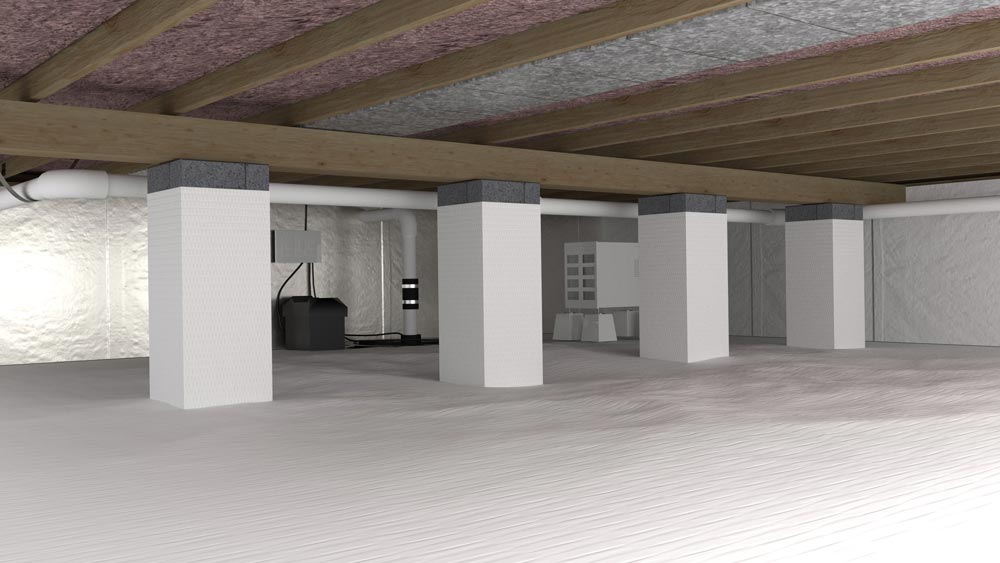
Crawl space encapsulation is the process of sealing your crawl space with a thick plastic vapor barrier, insulation, and sometimes a sump pump or dehumidifier. The goal is to stop outside air and moisture from entering the space—helping protect your home from:
- Mold and mildew
- Rotting floor joists
- Pest infestations
- High energy bills
- Poor indoor air quality
At APS, we use our proprietary CrawlSeal™ system, which blocks 100% of ground moisture and includes options for drainage, insulation, and ventilation—ensuring your home stays dry and stable year-round.
DIY Crawl Space Encapsulation: What It Involves
Many homeowners try to save money by using a DIY encapsulation kit, which usually includes:
- Rolls of plastic sheeting or a crawl space liner
- Double-sided tape or fasteners
- Sealing tape for seams
- Possibly a dehumidifier or sump pump (sold separately)
Steps for a DIY Job Typically Include:
- Cleaning and clearing debris from the crawl space
- Laying down a vapor barrier over the ground
- Sealing the edges and seams
- Installing wall liners
- Optionally insulating walls or installing a sump pump for drainage
On the surface, it sounds simple—but real crawl spaces are rarely clean, flat, or dry. That’s where the challenges start.
The Risks of DIY Crawl Space Sealing
While DIY can work in perfect conditions, many Alabama homes sit over damp soil, uneven ground, or high water tables—and those variables make DIY efforts risky.
1. Improper Vapor Barrier Installation
A thin or poorly secured plastic sheeting can easily tear, bunch up, or leave gaps—letting moisture seep right back in. And without sealing walls and piers properly, the encapsulation is incomplete.
2. No Drainage System
Most kits don’t include sump pump installation or perimeter drainage. If your crawl space already has water intrusion, a vapor barrier alone won’t stop mold or rot. Instead, it traps water under the liner.
3. Inadequate Moisture Control
A humidity barrier is only part of the solution. Without a dehumidifier, moisture from outside air can still cause problems. And if vents or leaks are left unsealed, it defeats the purpose of encapsulation.
4. Missed Structural or Plumbing Issues
Professionals like APS check for joist rot, insulation gaps, pests, and leaking pipes. DIYers often skip these steps—meaning deeper problems go unnoticed until they’re much worse (and much more expensive).

The Hidden Costs of DIY Encapsulation
At first glance, a DIY project might cost $800–$2,000 depending on the kit and size of your crawl space. But those costs can quickly climb when things go wrong.
DIY Shortcut | Potential Cost |
Poor liner seal | Mold remediation ($3,000+) |
No drainage | Water damage repairs ($5,000+) |
Missed rot | Joist replacement ($10,000+) |
Incomplete sealing | High HVAC bills, poor air quality |
Warranty voided | No protection if problems return |
Even if you install the system successfully, DIY work typically comes with no long-term warranty and isn’t transferable to new buyers—affecting resale value.
For more information, see Crawl Space Repair Cost Guide: What Homeowners Should Know.
Why Professional Crawl Space Encapsulation Pays Off
Choosing a professional team like APS means getting a complete, long-term solution that does more than just lay plastic over dirt. Here’s what sets us apart:
Custom Solutions Based on Your Crawl Space
No two homes are the same. We assess your crawl space for:
- Soil moisture levels
- Drainage issues
- Mold or wood rot
- Ventilation needs
From there, we build a customized plan using high-grade materials and proven techniques.
Vapor Barrier + Drainage + Dehumidification
APS installs thick, puncture-resistant liners across the floor and walls, sealing every inch. We also offer:
- Sump pump installation to handle groundwater
- Dehumidifiers to maintain ideal humidity
- Crawl space insulation for energy savings
Peace of Mind with Warranties
Our CrawlSeal™ system includes a 25-year transferable warranty against tears or failure. You also get expert maintenance support and real-time moisture monitoring, if needed.
Increased Home Value
Encapsulated crawl spaces with proper vapor control and warranties can boost resale value and give buyers peace of mind.
DIY vs Professional Encapsulation: Side-by-Side Comparison
Feature | DIY | Professional |
Cost | $800–$2,000 | $3,000–$8,000+ |
Time to Complete | 2–3 weekends | 1–3 days |
Materials | Light-duty liners, tape | Thick, commercial-grade liners |
Drainage System | Rare | Included if needed |
Sump Pump | Extra setup | Installed and tested |
Dehumidifier | Optional | Installed and integrated |
Warranty | None | 25-Year Transferable Warranty |
Long-Term ROI | Low (higher repair risk) | High (energy savings, stability) |
When DIY Might Be Okay
If your crawl space is:
- Dry year-round
- Small and easy to access
- Already partially sealed
- Free of structural issues
You might be able to lay a basic vapor barrier for short-term help. Just know it’s not a substitute for full encapsulation.
Safety & Health Considerations
Working in a crawl space isn’t just uncomfortable—it can be dangerous. You may encounter:
- Mold spores
- Exposed wiring
- Low-hanging pipes or ductwork
- Sharp debris or nails
- Poor air circulation (risk of heat exhaustion)
APS technicians wear protective gear and use professional tools for safety and efficiency—so you don’t have to put yourself at risk.
How APS Makes Crawl Space Protection Easy
You don’t need to crawl through mud or guess at what’s under your home. When you choose APS, here’s what you get:
- Free Inspection
We evaluate moisture, air quality, and structural issues in your crawl space. - Custom Plan
Get a step-by-step encapsulation plan tailored to your home. - Expert Installation
From vapor barriers to dehumidifiers and sump pumps—we handle it all. - Worry-Free Warranty
We stand by our work with long-term protection and support.
Final Verdict: DIY or Pro?
DIY crawl space encapsulation might seem like a cost-saver up front, but it rarely pays off in the long run. Missed steps and improper sealing often lead to bigger problems—and more expensive repairs.
With APS Foundation Repair, you get more than a moisture barrier. You get a complete solution for humidity control, structural protection, and long-term peace of mind.
Ready to Seal Out Moisture for Good?
Protect your home with a proven crawl space encapsulation system from APS.
Call today to schedule your FREE crawl space inspection
Trusted in Alabama since 1977
Breathe easier. Live better. Start with your crawl space.