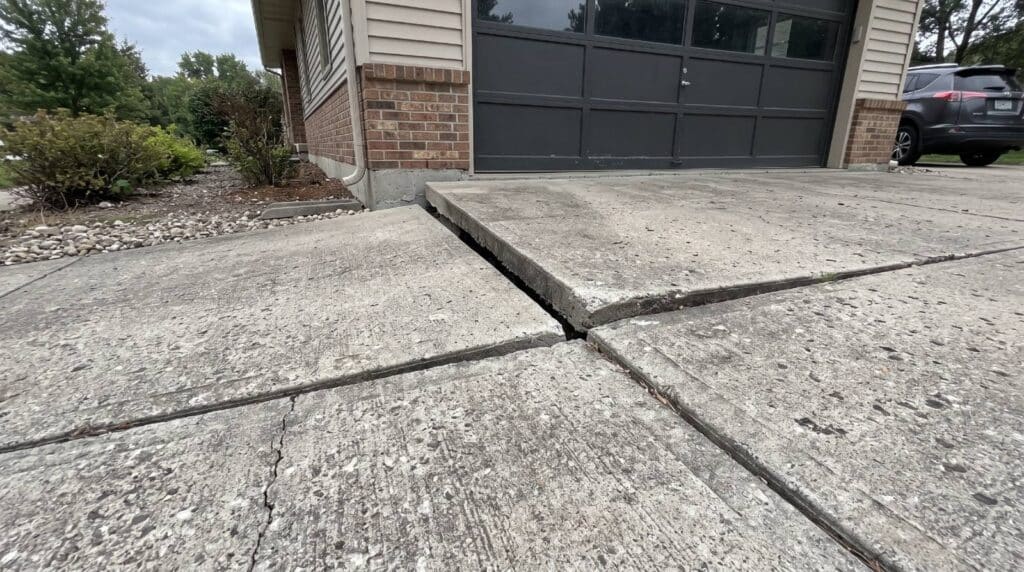
If you’ve ever knelt next to your foundation and traced a crack with your fingertip, you know that sinking feeling. Foundation cracks are like stubborn stains—ignore them long enough and you’ll pay the price. In this guide, we’ll roll up our sleeves and dive into the nitty-gritty of fixing foundation cracks from the outside: when it makes sense, where it falls short, and how to pair it with solid structural repair and waterproofing for a long-lasting solution.

Why Foundation Cracks Form
Before swinging a shovel, let’s understand why cracks pop up in the first place. Knowing the enemy helps you choose the best defense.
Soil Settlement and Movement
Clay soils are notorious for swelling when wet and shrinking when dry. Over months or years, that push-pull action tugs on your foundation like a stubborn horse pulling a carriage off course. If the soil under one side of your home shifts more than the other, your slab or footing follows suit—hence the crack. Loose backfill, tree roots, and heavy landscaping can make matters worse.
For more information, see Is Foundation Settling Normal Or A Sign Of Trouble?
Hydrostatic Pressure
Rainwater collecting against your foundation wall creates hydrostatic pressure, which builds over time. Think of it as water trying to squeeze through the tiniest gap, widening cracks like a bottlejack. Once a crack opens, moisture and dissolved minerals can leach into your basement, accelerating wall deterioration.
Poor Drainage
If gutters spill water too close to your house or the surrounding grade slopes toward your foundation, you’ve set the stage for trouble. Moisture softens soil, undermines the footing, and invites cracks to form. Seasonal freeze-thaw cycles in colder climates can exacerbate damage as trapped water expands behind the wall.
Diagnosing Cracks from the Outside
Spotting a crack is one thing—figuring out what’s lurking beneath is another. A simple outside inspection can reveal a lot about the severity and cause.
Visual Inspection
- Crack width: Anything wider than 1/8 inch warrants concern; wider than 1/4 inch often signals serious movement.
- Orientation: Vertical cracks tend to signal settlement, while horizontal cracks often point to lateral earth pressure or overloaded walls. Stair-step cracks in block walls can indicate differential movement.
- Displacement: If one side of the crack sits higher or lower than the other, uneven load transfer is at play.
Basic Field Tools
- Crack gauge: Tracks changes in width over time.
- Level and plumb bob: Checks wall tilt and slab unevenness.
- Soil probe: Measures moisture content and density around the foundation.
- Tape measure and camera: Document length, width, and pattern; take photos periodically to compare.
Pros of Fixing Foundation Cracks from the Outside
Many homeowners prefer exterior repairs for good reasons. Here’s what makes fixing foundation cracks from the outside appealing:
- Less Disruption
Work happens in the yard, not your living space. No need to clear out the basement or crawl space—your family routine remains uninterrupted while the crew works outside. - Cost-Effective Surface Solutions
Epoxy injections and sealant applications generally cost less than full structural repairs. If the crack stems from minor settlement rather than major failure, you’ll save money. - Quick Turnaround
Exterior repair jobs—excavation, sealing, and membrane application—often finish in a day or two. When rainy seasons loom, speed can prevent further water infiltration. - Immediate Waterproofing Benefits
A quality exterior membrane or coating keeps moisture out right away, cutting mold risk and musty odors before they spread indoors. - Visible Progress
Seeing walls excavated, cleaned, and coated gives you confidence that the problem is being addressed—no guesswork.

Cons of Fixing Foundation Cracks from the Outside
Exterior fixes aren’t a silver bullet. Here are their drawbacks:
- Surface-Only Remedy
Sealing a crack from the outside plugs the hole but doesn’t address ongoing movement. If soil continues to shift, new cracks may appear—or old ones reopen. - Hidden Structural Issues
A crack may be a symptom of failing footings, corroded steel reinforcement, or settling piers. Exterior patching can mask these underlying problems without truly solving them. - Limited Excavation Access
Patios, landscaping, decks, or buried utilities can block full exposure of the wall, making proper prep impossible and potentially voiding warranties. - Warranty Restrictions
Many sealants and membranes carry limited guarantees—and often require full wall exposure and specific prep work. Partial excavation or shortcuts can void coverage. - New Void Formation
Improper backfill or inadequate compaction can leave voids beside your foundation. These gaps invite fresh settlement and more cracks.
Structural Repair vs. Surface Patching
When exterior work alone won’t cut it, you need a structural approach. Here’s a quick look at common methods:
Helical and Push Piers
Piers transfer your home’s load from shifting soil to stable strata below. Helical piers screw into firm ground like giant augers; push piers are hydraulically driven. Both lift and stabilize the foundation, stopping further settlement and complementing any exterior crack sealing.
Wall Anchors and Tiebacks
If your walls bow inward under lateral earth pressure, anchors or tiebacks brace them from outside the home. Anchors attach to interior wall plates; tiebacks screw into stable soil outside, then tighten to straighten and hold the wall long-term.
The Critical Role of Waterproofing
No crack repair is complete without robust waterproofing. Even the best sealant can fail if water pressure continues unabated.
Exterior Waterproof Membranes and Coatings
- Polyurethane membranes: Flexible, crack-bridging materials that withstand soil movement.
- Bituminous coatings: Thick, tar-like layers that bond to concrete and repel moisture under high pressure.
- Cementitious coatings: Cement-based products that adhere tightly to masonry surfaces and fill pores, creating a rigid barrier.

Drainage Solutions
- French drains: Gravel trenches with perforated pipes that channel water away from the foundation.
- Sump pumps: Installed at footing level to collect water and pump it safely beyond your yard’s perimeter.
- Grading and gutter optimization: Reshaping soil slope to drop at least six inches within the first ten feet from the foundation; extending downspouts at least five feet away.
APS Foundation Repair’s Proven Process
At APS, we blend structural repair with waterproofing for a complete solution. Here’s our streamlined, customer-focused process:
- Free Assessment
We inspect cracks, drainage, and soil conditions at no cost and with advanced diagnostic tools. - Customized Plan
Whether you need piers, anchors, or exterior membranes, we design a repair strategy tailored to your home’s geology and construction. - Professional Installation
Our licensed crews excavate precisely, install piers or anchors, inject sealant, and apply premium waterproofing products. - Backfill, Grading, and Cleanup
We compact backfill in lifts, re-grade for proper slope, and restore landscaping. - Final Inspection and Testing
Using crack gauges and water tests, we verify no further movement and ensure drainage systems perform flawlessly. - Written Warranties
APS backs structural repairs with a performance warranty. All materials carry manufacturer warranties.
Step-by-Step Roadmap for Exterior Crack Repair
- Inspect and Document: Measure crack width and length; photograph cracks for future reference.
- Verify Drainage: Clear gutters and ensure downspouts discharge at least five feet from the foundation.
- Excavate Carefully: Dig a trench beside the crack down to its base (12–18 inches below grade).
- Clean and Dry the Wall: Remove dirt, old sealant, efflorescence, and loose masonry; let the wall dry thoroughly.
- Install Structural Supports (If Needed): For serious cracks, set piers or anchors before sealing.
- Inject Sealant: Use epoxy for structural bonding or polyurethane for flexible waterproofing, following manufacturer instructions.
- Apply Waterproof Membrane: Coat the entire excavated area with the chosen membrane or cementitious slurry, ensuring full coverage.
- Backfill and Compact: Use free-draining soil in 6-inch lifts, compacting each layer to prevent voids.
- Final Grading and Inspection: Slope soil away from the house, test with a hose, and re-inspect cracks after one week to confirm stability.
When to Call the Pros
If you notice any of the following warning signs, it’s time to talk to APS:
- Cracks wider than 1/4 inch or continuing to grow over time
- Horizontal or stair-step cracks in block walls, indicating serious lateral pressure
- Bowing, bulging, or leaning foundation walls
- Doors and windows sticking or leaving gaps as frames shift
- Sump pit filling faster than a rain bucket during normal rainfall
- Persistent dampness or mold growth in the basement despite interior sealing efforts
Conclusion and Call to Action
Fixing foundation cracks from the outside offers clear advantages—speed, cost savings, and immediate waterproofing—but it’s no cure-all. When movement continues or structural integrity is at stake, surface patches alone won’t suffice.
Since 1977, APS Foundation Repair has combined helical piers, wall anchors, and proven waterproofing systems to deliver lasting results.
Don’t let a crack turn into a catastrophe. Contact APS today for a free, no-pressure assessment and discover how our expert team can stabilize your foundation, keep moisture out, and restore your peace of mind. Call now or request an online quote—your home’s future depends on it.