It starts with a thin line on your basement wall. No big deal, right? Maybe. Maybe not.
Some cracks are just signs of settling. Others? They’re red flags for serious foundation problems that can lead to water damage, mold, or even structural failure.
The good news? You’re in the right place.
This guide will show you how to spot the difference, and what to do next. Because when it comes to your foundation, what you don’t know can hurt your home. Keep reading to learn how APS Foundation Repair can fix it for good.
What Causes Basement Foundation Cracks?

Cracks in your basement don’t just show up by accident; they’re your home’s way of saying something’s wrong beneath the surface. And in Alabama, where shifting soil and sudden downpours are typical, these cracks can appear quickly and worsen even faster.
Here are the most common reasons your basement might be cracking:
- Soil Movement (Alabama’s Clay): Alabama’s regions contain expansive clay soil, which absorbs water like a sponge and swells after heavy rainfall. When it dries, it shrinks and pulls away from your foundation. This constant back-and-forth puts enormous pressure on your basement walls, and over time, it causes them to crack, shift, or even bow inward.
- Hydrostatic Pressure (Water Has Weight): When water accumulates around your home due to poor grading, clogged gutters, or inadequate drainage, it exerts pressure against your basement walls. This pressure, called hydrostatic pressure, can cause walls to bow, crack horizontally, or leak. It’s one of the leading causes of basement water problems and structural damage.
- Foundation Settling (Gravity Always Wins): Over time, the ground beneath your home naturally compacts, shifts, or washes away. This settling causes parts of your foundation to sink unevenly, resulting in diagonal or stair-step cracks in your basement walls and slabs.
- Poor Construction or Materials: Sometimes the issue starts before you even move in. If your foundation was poured with low-quality concrete, lacking proper steel reinforcement, or wasn’t cured correctly, it becomes more prone to cracking as the years go by.
- Temperature and Moisture Changes: Concrete expands and contracts in response to variations in humidity and temperature. When this happens too quickly or too often, it creates small shrinkage cracks, especially in basement floors or newly poured walls.
Bottom line?
Basement cracks aren’t just a surface problem; they often indicate a more serious underlying foundation issue. And the longer you wait, the worse it gets.
Types of Basement Foundation Cracks: From Minor to Major Damage
Not all basement cracks are created equal. Some are purely cosmetic. Others are loud warnings that your home’s foundation is in trouble. Below, we break down the 10 most common types of foundation cracks, starting with the easiest to manage and ending with those that require immediate attention.
Minor or Cosmetic Cracks

These are common in many Alabama homes and are often caused by natural settling or the curing process. While they don’t pose an immediate threat, they can still allow moisture or pests to enter, so keeping an eye on them is important.
- Hairline cracks typically appear as thin lines on basement walls or floors. These are caused by the shrinkage of concrete as it dries. Most don’t need repair unless they begin leaking.
- Shrinkage cracks form when poured concrete dries too quickly. You’ll usually find them in basement floors or newly poured walls. They’re not structural, but if they let water in, it’s best to seal them to avoid mold or damage.
- Non-structural cracks often appear as random surface lines and are caused by small shifts or stress points within the concrete. While not dangerous, they can become a problem if left open to moisture.
Moderate Cracks That Shouldn’t Be Ignored
These cracks might not seem like an emergency, but they can signal deeper problems forming underground. Addressing them early can prevent serious structural repairs down the road.
- Vertical cracks run straight up and down your basement walls and are usually caused by the settling of your foundation. While they may look harmless, they should be sealed and monitored.
- Diagonal cracks angle across basement walls, often starting at corners or windows. These happen when your foundation settles unevenly.
- Wet non-structural cracks don’t threaten your home’s stability, but they do allow water in. This can lead to mold, musty odors, and increased humidity in your basement. These should always be paired with a full basement waterproofing system to keep your space dry.
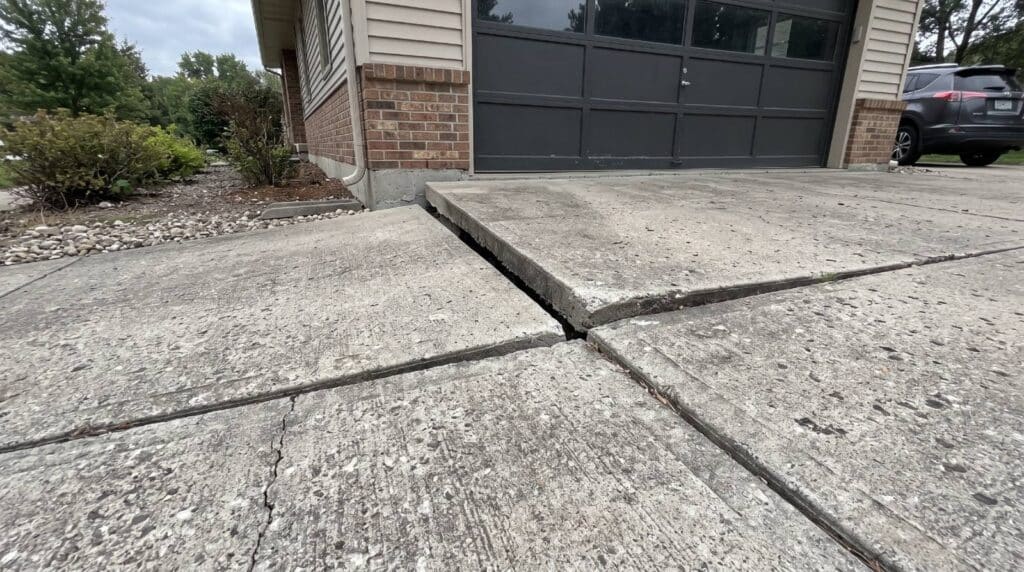
- Foundation slab cracks form in your basement floor or garage slab. If you notice unevenness or separation, it’s often due to poor soil support or erosion.
Serious Structural Cracks That Require Immediate Attention

When cracks start to widen, spread, or change direction, that’s your home telling you something urgent. These cracks could indicate that your foundation is failing, and prompt action is critical.
- Horizontal cracks are among the most dangerous. They run across basement walls, usually midway up, and are caused by intense soil or water pressure pushing from the outside. These cracks can lead to the total collapse of the wall if left untreated.
- Stair-step cracks appear in a zigzag pattern along brick or block walls. They’re often a result of uneven settling or shifting soil, and they rarely get better on their own.
- Structural cracks that widen, shift direction, or spider across your walls or floors are a clear sign of serious foundation movement. These may affect multiple areas of your home simultaneously.
If you’ve spotted any of these cracks, especially ones that are growing, leaking, or showing signs of movement, don’t wait. These problems don’t fix themselves, and ignoring them can lead to major repairs later.
Why DIY Foundation Crack Repairs Don’t Work
DIY crack kits might seal the surface, but they don’t address the underlying cause of the damage. Without addressing soil movement, pressure, or drainage issues, the crack will come back. And when it does, it’s often worse.
Temporary fixes can lead to bigger problems like:
- Spreading structural damage
- Basement leaks and mold
- Failed home inspections
- More expensive repairs later
Your foundation isn’t a weekend project. Trust APS to resolve the issue at its root and fix it for good.
How APS Foundation Repair Fixes the Root Cause—Not Just the Crack
When it comes to foundation repair, quick fixes won’t cut it. At APS Foundation Repair, we go deeper. We don’t just patch a crack; we uncover the cause of the issue and address the problem at its root. Every home we inspect is treated like it’s our own, with solutions designed specifically for Alabama’s unique soil, weather, and construction types.
Here’s how we fix foundation cracks the right way, with long-term protection built in:
Basement Crack Repair

We offer expert basement crack repair to prevent water intrusion and safeguard your home from long-term damage. We utilize advanced crack injection techniques, combined with customized drainage and waterproofing solutions, to seal cracks and alleviate pressure at their source. The result? A dry, stable basement, and lasting peace of mind.
Soil Stabilization
Shifting, expansive clay is a major issue in Alabama. Our soil stabilization methods reinforce the ground beneath your home to stop future settlement and cracking before it starts.
Foundation Wall Repair
If your basement walls are bowing, leaning, or cracked horizontally, we install foundation wall repair systems wall anchors, carbon fiber straps, or steel braces to restore stability and prevent collapse.
Basement Waterproofing
Cracks and leaks go hand-in-hand. We install sump pumps, interior drainage systems, vapor barriers and other basement waterproofing systems to stop water intrusion and relieve pressure on your foundation walls.
Concrete Leveling
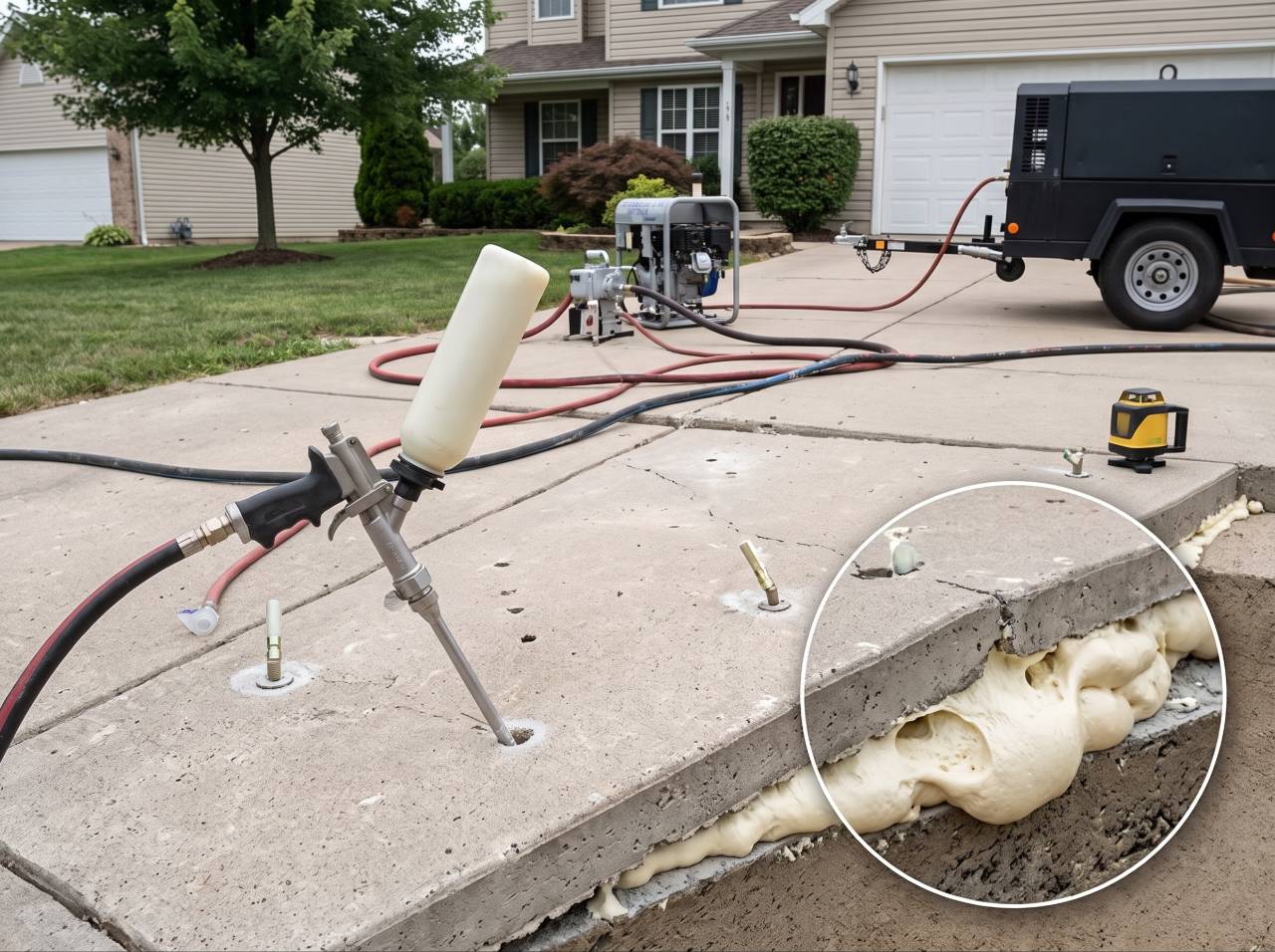
Sinking slab? Uneven basement floor? Our polyurethane foam injection gently lifts and levels sunken concrete, providing a safer, more stable surface, without the mess or cost of replacement.
Don’t just cover up the crack; let APS Foundation Repair solve what’s causing it.
How to Fix Foundation Cracks in Basement—The APS Way
Getting started is simple, and it won’t cost you a thing:
- Schedule Your Free Foundation Inspection
Our team will inspect your basement, identify the cause of your cracks, and explain what’s happening, clearly and without pressure.
- Receive a Custom Foundation Repair Plan
We’ll develop a repair strategy tailored to your home’s specific needs and budget. Whether it’s basement crack repair, concrete leveling, or basement waterproofing, we’ll lay it all out for you.
- Enjoy Long-Term Protection
With expert installation and a reliable warranty, your foundation will remain strong for years to come.
What If I Don’t Fix Foundation Cracks?
It’s just a small crack. What’s the worst that could happen?
Unfortunately, quite a lot.
When you ignore basement foundation cracks, you’re not just leaving a cosmetic flaw untouched; you’re giving a warning sign the chance to become a disaster. Cracks that seem minor today can lead to serious structural issues and expensive repairs tomorrow.
Here’s what’s at stake:
- Costly structural repairs
- Basement water damage and mold
- Losing resale value
- Emergency repairs that could’ve been avoided
Fix It Once. Fix It Right. Call APS.
With over 45 years of experience, APS Foundation Repair has helped thousands of Alabama homeowners stay safe, dry, and stress-free. We know the soil. We know the signs. And we know how to stop the damage, for good.
Call Now or Schedule Online for Your Basement Inspection Today!