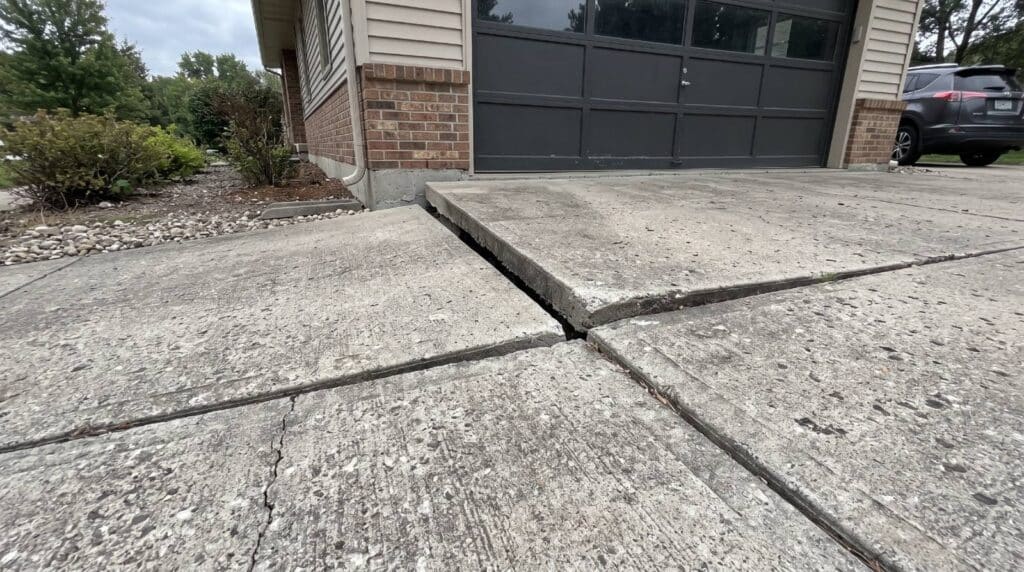
Living in a house with foundation problems can be stressful—and confusing. Are you safe? Should you stay, or do you need to move out immediately? These are questions homeowners across Alabama ask when they spot cracks in their walls or feel their floors shifting beneath them.
This article offers a clear, practical answer to the question: Is it safe to live in a house with foundation problems? We’ll help you understand the signs, assess the risks, and take smart steps toward long-term structural safety.
Common Signs Your Home May Have Foundation Problems
Foundation issues often start small—but spotting the warning signs early can save you time, money, and stress. Keep an eye out for these telltale symptoms:
- Stair-step cracks in brick or block walls
- Cracks in drywall or floors
- Doors or windows that stick or won’t close properly
- Sloping, bouncy, or uneven floors
- Water leaking into basements or crawl spaces
- Gaps where walls meet ceilings or floors
These signs are often caused by shifting soil, poor drainage, or prolonged exposure to moisture. In Alabama, the combination of clay-heavy soil and high humidity makes foundation damage especially common.
One problem that often goes hand-in-hand with foundation trouble is water seepage. When cracks form or the ground shifts, moisture can find its way into lower levels of the home, leading to mold, musty odors, and further structural damage. That’s why effective basement leak prevention methods—like improving drainage, sealing entry points, and maintaining gutters—are essential. They not only help keep your basement dry but also reduce the long-term stress on your foundation.
Is It Safe to Live in a House With Foundation Problems?
The short answer: It depends on the severity and cause of the issue.
Many foundation problems begin small and don’t pose an immediate safety risk. However, if ignored, they can become serious—and even dangerous. Here’s how to assess the situation:
1. Low Risk (Cosmetic Issues)
- Small, hairline cracks in drywall
- Slightly sloping floors in older homes
- Minor basement moisture with no mold
What it means: Likely safe to remain in the home while monitoring the problem. A professional inspection is still recommended.
2. Moderate Risk (Structural Warning Signs)
- Stair-step cracks in brick
- Gaps around windows or floors
- Persistent water intrusion or musty smells
- Bouncy or sagging floors above crawl spaces
What it means: These could be signs of foundation settlement or wood rot. The house may still be livable, but delays in repair increase risks and costs.
3. High Risk (Immediate Safety Concerns)
- Bowing basement walls
- Sudden shifts or loud structural creaks
- Cracks wider than ½ inch
- Uneven floors that worsen quickly
- Severe mold or wood rot in crawl spaces
What it means: These are serious structural threats. It may be unsafe to remain in the home without immediate repair. Always get a structural assessment to determine risk.

Foundation Problems Worsen Over Time
Ignoring foundation issues is never a good idea. Over time, moisture, gravity, and soil movement continue to strain your home’s structure. What begins as a small crack can grow into a split wall or sinking foundation. The longer you wait, the more likely you’ll face:
- Water damage
- Mold growth
- Reduced property value
- Higher repair costs
- Safety hazards for your family

What Should You Do if You Suspect Foundation Problems?
1. Schedule a Professional Inspection
At APS Foundation Repair, we offer free, no-pressure inspections to help homeowners understand exactly what’s going on beneath their feet.
2. Don’t Rely on Cosmetic Fixes
Painting over cracks or caulking gaps might hide the symptoms, but they won’t stop the damage. True repair starts with structural stabilization or waterproofing.
3. Know Your Repair Options
We offer a range of solutions depending on the issue:
- Helical Piers & Push Piers – Stabilize settling foundations.
- Wall Anchors & Carbon Fiber Straps – Reinforce bowing walls.
- Crawl Space Jacks & Joist Repairs – Fix sagging floors.
- CrawlSeal Encapsulation & Dehumidifiers – Control moisture, mold, and air quality.
- Exterior Drainage Solutions – Divert water away from your foundation.
When to Consider Leaving the Home Temporarily
While most foundation repairs don’t require moving out, there are exceptions. If structural engineers determine your home is at risk of partial collapse, or if mold is extensive, your safety comes first. In these cases:
- Secure alternative housing (friends, hotel, short-term rental)
- Remove valuable or moisture-sensitive items from problem areas
- Schedule repairs ASAP to minimize disruption
Repairing Foundation Problems the Right Way
Foundation repairs are an investment in your home’s safety, value, and longevity. With APS Foundation Repair, you’re not just patching a crack—you’re getting a long-term fix with professional workmanship and industry-leading warranties.
We’ve been Alabama’s trusted foundation specialists for over 45 years. Whether you’re dealing with moisture in the crawl space or full structural settlement, our team has the tools and experience to protect your home.
Don’t Wait. Get Peace of Mind Today.
If you’re wondering whether it’s safe to live in a house with foundation problems, the best step is to get clarity from a professional. Waiting only leads to more risk and higher costs.
Schedule your free inspection today and take control of your home’s safety.