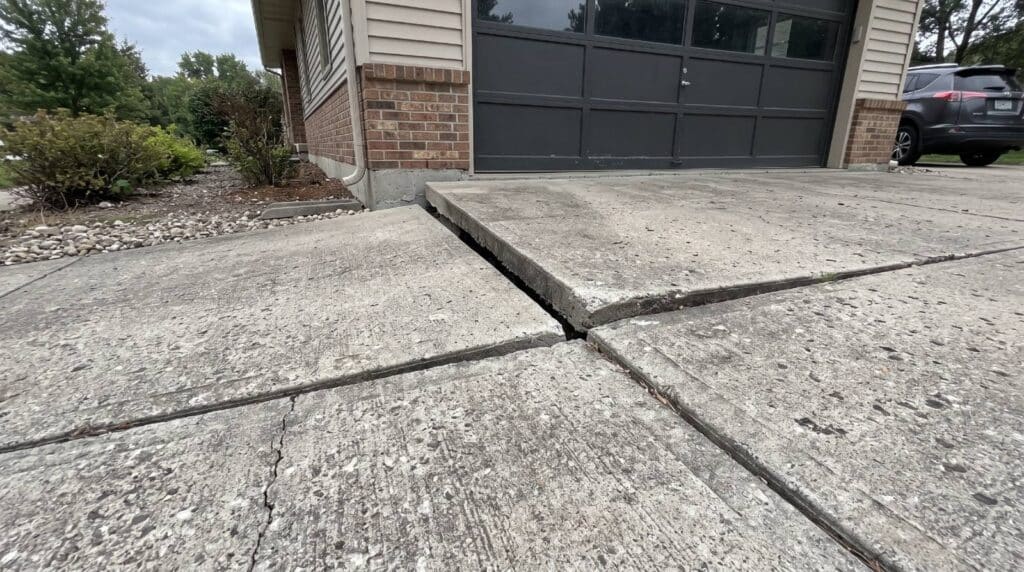
There’s a lot to love about an old house—charm, character, and craftsmanship you just don’t see in new builds. But with age comes risk, and one of the biggest concerns in older homes is the foundation.
Understanding old house foundation types is the first step in spotting potential issues and preserving your home’s structural safety. Whether you’re buying, renovating, or just maintaining, this guide will walk you through the most common foundation types found in older homes, the weaknesses to look out for, and the best modern solutions available today.+
Common Foundation Types in Older Homes
1. Stone Foundations (Pre-1900s to 1930s)
Stone and mortar foundations are typical in homes built before the 1930s. These were often laid by hand and lack reinforcement.
Weaknesses:
- Mortar deterioration
- Water intrusion
- Uneven settling due to poor soil compaction
Repair Solutions:
- Repointing stonework
- Installing interior drains or sump pumps
- Reinforcing with helical piers if settlement is found
2. Brick Foundations (Late 1800s to 1940s)
These foundations use layered bricks in rows or stacks and were often used in Southern homes.
Weaknesses:
- Bulging or bowing walls from lateral soil pressure
- Weak mortar joints
- Susceptible to moisture damage
Repair Solutions:
- Carbon fiber reinforcement or wall anchors
- Waterproof coatings and interior drainage systems
- Crack sealing and repointing
3. Pier and Beam Foundations (1900s–1950s)
Popular across the Southeast, pier and beam construction elevates the home above the soil using concrete piers and wood beams.
Weaknesses:
- Sagging or bouncy floors
- Wood rot and mold in humid crawl spaces
- Pier settlement or misalignment
Repair Solutions:
- Crawl space jacks and girder replacement
- Crawl space encapsulation and dehumidifiers
- Installing new or deeper piers

4. Concrete Block Foundations (1920s–1960s)
Many mid-century homes were built with stacked concrete blocks, which are hollow and often unreinforced.
Weaknesses:
- Stair-step cracks
- Bowing walls from hydrostatic pressure
- Lack of steel reinforcement
Repair Solutions:
- Wall anchors or carbon fiber strips
- Waterproofing systems to manage groundwater
- Foundation piers if settlement is detected
5. Poured Concrete Foundations (1950s–1980s)
Newer than other types, poured concrete foundations became more common post-WWII and are still used today.
Weaknesses:
- Shrinkage cracks
- Poor waterproofing
- Soil-related movement beneath the slab
Repair Solutions:
- Crack injection and sealing
- Drain tile and vapor barriers
- Push piers or slab lifting for settlement
How to Spot Foundation Weaknesses in Old Homes
When inspecting older homes—especially during purchase or renovation—watch for:
- Uneven floors
- Visible cracks inside or outside
- Doors and windows that stick
- Water staining in the basement or crawl space
- Musty odors or signs of mold
Some of these may seem minor, but they often point to bigger underlying problems. The best course of action is a professional inspection to assess both visible and hidden structural concerns.
In many cases, those concerns trace back to moisture entering the foundation. To stop this from escalating, you should shield your foundation from moisture intrusion through proven foundation sealing techniques.

Why Age Makes a Difference
Old house foundation types weren’t built with today’s technology or materials. Many lacked drainage systems, steel reinforcement, or moisture control. And over time, even the strongest materials break down due to:
- Soil movement
- Water pressure
- Natural settling
- Organic decay (especially in wood beams)
That’s why even well-maintained homes can develop serious issues decades after being built.
How APS Foundation Repair Restores Older Homes
At APS, we specialize in diagnosing and stabilizing historic and older homes. Our team knows what to look for—and more importantly, how to fix it without compromising your home’s original character.
Our solutions include:
- Structural Reinforcement – Crawl space jacks, push piers, and wall stabilization
- Waterproofing – Sump pumps, vapor barriers, and crawl space encapsulation
- Moisture Control – Dehumidifiers and drainage systems
- Long-Term Protection – Warrantied, code-compliant repair systems
We work with homeowners, inspectors, and realtors to develop custom plans that respect the home’s history and ensure long-term safety.
Thinking About Buying an Older Home?
A vintage home might look picture-perfect, but don’t skip the foundation check. APS Foundation Repair offers pre-purchase inspections to assess:
- Foundation type and condition
- Crawl space health
- Signs of water intrusion
- Long-term repair recommendations
Knowing what you’re dealing with before closing can help you negotiate repairs or avoid surprises down the line.
Schedule a Foundation Inspection for Your Older Home
Old homes are full of stories—but they also come with unique risks. Whether you’re seeing signs of trouble or just want peace of mind, APS Foundation Repair can help. Our inspections are thorough, honest, and always pressure-free.
Let us help you protect the charm—and the structure—of your home. Contact us today to schedule a foundation inspection.