When your basement or foundation walls begin to bow, lean, or crack, it’s more than a cosmetic issue; it’s a sign your foundation is under severe pressure. And that pressure won’t ease up on its own.
Wall anchor system foundation repair is one of the most reliable ways to stop this movement and restore stability. In this guide, you’ll learn what wall anchors are, why they’re needed, how they work, and when to use them, so you can protect your home with confidence.
What Are Wall Anchor Systems?
Wall anchor systems are a proven way to stop basement walls from bowing, leaning, or cracking. If your foundation wall is starting to shift inward, this structural repair method can help stabilize it and even straighten it over time.
Wall anchor systems foundation repair connects the damaged wall to solid soil away from your home. It works by using:
- A strong steel rod drilled through the wall
- A metal anchor plate inside your basement
- A second anchor plate buried in the yard
Once everything is in place, the system is tightened to hold the wall steady. This stops the movement and helps protect your home from more serious foundation damage.
Wall anchor systems are durable, low-profile, and built to last. Foundation repair experts trust them because they do more than cover up the problem; they fix it at the source.
Why Do Foundation Walls Bow, Lean, or Crack?
Foundation walls don’t fail overnight, but certain conditions can slowly push them past their limit. Over time, too much pressure from the soil outside your home can cause the walls to bow inward, lean at the top, or crack along seams and corners.

Here are the most common causes:
Expansive Clay Soil (Especially in Alabama)
In many parts of Alabama, homes are built on clay-rich soil. This type of soil swells when it gets wet and shrinks when it dries out. That constant back-and-forth movement puts enormous stress on your basement walls, pushing them inward over time.
Poor Drainage Around the Foundation
If water isn’t properly directed away from your home, it collects around the foundation. Over time, this creates hydrostatic pressure, the force of water pushing against your basement walls. Without relief, the wall can start to crack or bow.
Heavy Landscaping or Hard Surfaces Too Close
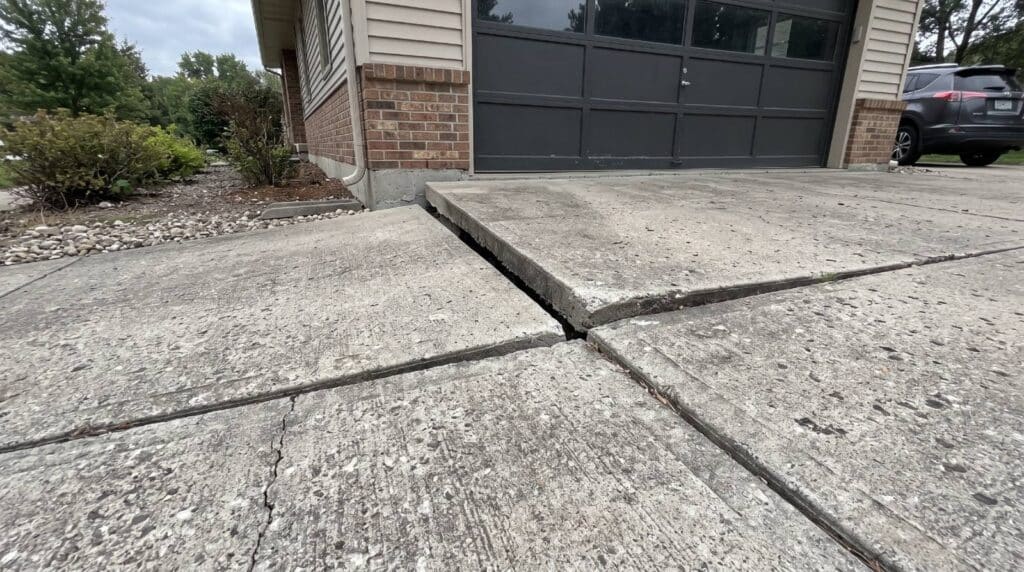
Retaining walls, patios, driveways, or even thick planting beds placed too close to your home can add weight and pressure to the soil near your foundation. That extra load forces the soil to press harder against the wall, causing damage.
Frost Heave (In Colder Regions)
In areas that freeze, the moisture in the soil can expand when temperatures drop. This lifts and shifts the soil, pushing against basement walls from the outside and causing movement or cracks.
Settling or Shifting Soil Layers
Sometimes, the soil beneath a home wasn’t properly compacted when the house was built, or it changes over time. As the ground settles unevenly, it can cause parts of your foundation to shift or sink, leading to cracked or leaning walls.
Some settling is completely normal as a house ages, but uneven or excessive soil movement beneath the foundation can create serious problems. When parts of the ground sink more than others, it can cause walls to lean, crack, or shear at the base.
How Wall Anchor Systems Stabilize Failing Foundations
Most foundation walls are designed to hold up your house, not to resist extreme sideways pressure. When that pressure builds up from outside, walls can start to bow, lean, crack, or shear. That’s where wall anchor systems foundation repair comes in.
There are several types of wall anchor systems, and each is designed to handle different types of foundation wall movement.
Here’s how each system works step by step:
1️⃣ Wall Plate Anchor System

Best for: Bowing or bulging concrete block or poured walls, especially when at least 10 feet of exterior yard space is available
Wall plate anchors are the most commonly used solution for stabilizing failing foundation walls. They’re especially effective when exterior access is possible.
How it works:
- A steel wall plate is installed inside your home, directly on the damaged section of the foundation wall.
- A hole is dug about 10 feet away from the wall in the surrounding yard.
- An exterior anchor plate is placed deep in undisturbed soil.
- A galvanized steel rod connects the interior and exterior plates through a small hole drilled in the wall.
- The rod is tightened, pulling the wall outward and stopping inward movement.
- Adjustments can be made over time to straighten the wall further if needed.
Why it works: The system transfers pressure from the wall into stable soil, restoring balance and stability to the foundation.
2️⃣ Helical Tieback Anchor System

Best for: Leaning or tilting walls in areas with limited access to exterior soil
Helical tiebacks are often used when there’s not enough yard space to dig or when structures like patios or neighboring homes are in the way.
How it works:
- A steel wall plate is attached to the inside of the failing foundation wall.
- A helical anchor (corkscrew-shaped) is drilled at an angle through the foundation wall and deep into the soil, using specialized equipment.
- As it’s twisted into place, the anchor locks into firm ground.
- The anchor is then tensioned, pulling the wall back toward its original position.
Why it works: This system provides strong resistance from inside the home, with no need for exterior excavation.
3️⃣ C-Channel Anchor System

Best for: Foundation walls with shearing or severe bowing, especially where the top moves inward but the bottom stays put C-channel anchors offer wall-high reinforcement, making them ideal for more advanced wall damage.
How it works:
- A steel C-channel beam is bolted vertically to the inside of the foundation wall.
- A hole is dug 10+ feet away from the home.
- An exterior earth anchor is placed in the ground.
- A steel rod connects the outside anchor to the vertical beam.
- The base of the beam is anchored to the foot of the foundation wall.
- The system is tightened, stopping further movement and, in many cases, improving wall alignment over time.
Why it works: The beam braces the wall height and resists both inward pressure and vertical slippage.
How APS Foundation Repair Can Help
At APS Foundation Repair, we offer several proven foundation repair, waterproofing and wall anchor solutions to fix failing foundation walls and protect your home. After a full inspection, we recommend the system that works best for your specific problem.

Wall Anchor Systems
Wall anchors stop bowing or leaning walls by pulling them back toward stable soil. A steel rod connects a wall plate inside your home to an anchor buried in your yard. Once tightened, the system holds the wall steady and may even straighten it over time.
Street Creep Systems
When concrete from a driveway or street expands and pushes on your foundation, it can cause serious wall damage. We install expansion joints and anchors to relieve that pressure and keep your walls in place.
Channel Anchor Systems
For walls that are badly cracked or shearing at the base, channel anchors offer full-height reinforcement. Steel beams are installed inside the home and connected to buried anchors to brace and stabilize the entire wall.
Foundation Waterproofing
If water is getting into your basement or foundation, we install drainage systems, sump pumps, and vapor barriers to keep your foundation dry and protect against mold, odors, and long-term moisture damage.
Foundation Piers
For settling foundations, we use helical or push piers to lift and support your home. These foundation piers are driven deep into stable soil or bedrock to stop further sinking and restore your home’s level.
Signs You May Need a Wall Anchor System

Foundation walls don’t fail overnight; there are usually signs before serious damage occurs. Catching these early warning signals can help you avoid costly foundation wall repairs and keep your home safe.
Here are the most common signs that you may need a wall anchor system foundation repair:
- Horizontal cracks across the wall: Long cracks that stretch from side to side usually mean the wall is bowing inward from pressure in the surrounding soil.
- Walls bulging or bowing inward: If your wall looks like it’s curving in the middle, it’s likely being pushed by wet or expanding soil. This is one of the clearest signs of foundation stress..
- Shearing at the bottom of the wall: If the lowest row of blocks has shifted inward while the upper wall stays put, that’s called shearing at the base, and it’s a sign the wall is starting to break apart under pressure.
- Moisture or dampness near wall cracks: Water stains, musty smells, or visible damp spots could mean water is getting through new or widening cracks caused by wall movement.
- Sticking windows or doors near the foundation: If doors or windows on the lower level start to jam or won’t close properly, shifting foundation walls could be the cause.
If you’re seeing any of these issues in your home, it’s time to have a professional look.
When to Act?
Foundation wall problems worsen over time and become more costly to fix. If you see cracks, bowing, or signs of movement, don’t wait.
APS Foundation Repair serves homeowners across Alabama, including Birmingham, Montgomery, Tuscaloosa, Huntsville, Auburn, and nearby areas.
📞 Call today or get a free estimate. Early action makes all the difference.