Crawl space encapsulation is often worth it when the space under your house stays damp, humid, or musty season after season. In those homes, sealing the crawl space can help protect the floor framing, insulation, and ductwork from moisture.
It is usually less worth it when the moisture came from a single event, such as one leaking pipe. A one time event like that may need only a repair and a fix for that event.
Whether it is worth it for your home depends on what is causing the moisture and how often it comes back. A crawl space with standing water or damaged framing may also need other work before encapsulation can do its job. The crawl space encapsulation service page describes the full system.
What Problems Does Crawl Space Encapsulation Fix?
Encapsulation is aimed at two sources of moisture: water vapor rising from the bare soil under the house, and warm, humid outside air coming in through open foundation vents. A sealed liner over the floor and up the walls can block much of the vapor from the ground. Sealed vents keep humid outside air from reaching the cooler surfaces down there, where moisture may collect on joists, pipes, and ducts.
When both sources are controlled, several things often improve:
- Wood framing can stay drier, which lowers the moisture that rot and mold need.
- Insulation is less likely to soak up water and sag.
- A musty smell that drifts into the rooms above may fade once the dampness behind it is gone.
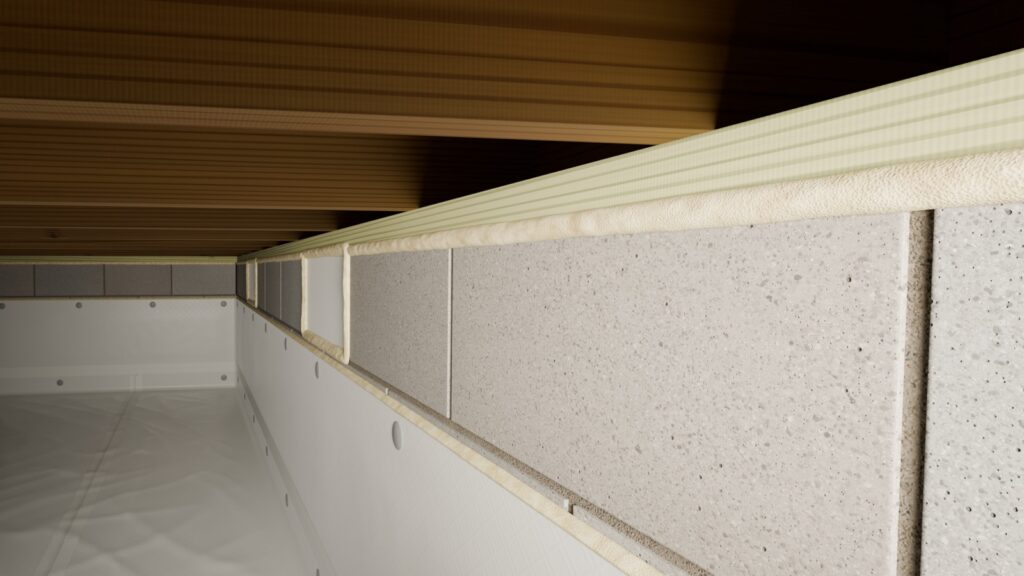
Sealing also changes where the insulation belongs. In a vented crawl space, fiberglass batts sit between the floor joists in humid air, where they can soak up moisture and hold it against the framing. Once the space is sealed, insulation on the foundation walls can stay dry. Rigid foam board goes against the walls, and sealed insulation goes at the rim joist, the band of framing where the floor structure meets the foundation. Batts that are damp, sagging, or already lying on the ground are usually pulled out while the space is prepared.
Two signs that can point toward encapsulation are high humidity under the house and musty odors from the crawl space. Summer humidity in Alabama and the Columbus, Georgia area can stay high for months, and homes around Mobile and the Gulf Coast often deal with a heavier moisture load.
When Is Encapsulation Not the Right First Step?
Encapsulation is usually not the first step when liquid water is getting in, when the framing is already damaged, or when the moisture came from a single event. It controls the moisture that reaches a crawl space from the soil and the outside air, and some problems need other work first.
When the moisture came from one event
A single leak or one flood does not always call for encapsulation. The page on encapsulation in a crawl space repair explains how a one time problem differs from moisture that keeps coming back.
When water is getting in
Sealing a liner over a wet crawl space can trap the water under it. Where liquid water is entering, a crawl space drainage system and a sump pump system go in first to carry that water out. Puddles are one sign to look for, since standing water in a crawl space can mean water is finding its way in.
Drainage can be added after a liner is already down, but sections of the liner then have to be lifted and resealed. Where the sump pump’s discharge line ends is planned during the assessment. A line that empties into the soil next to the footing can send the same water around again.
When the framing is already damaged
Rotted or sagging supports are usually repaired before the space is sealed, so the sealed crawl space protects sound wood. New wood in a crawl space that stays wet can rot the way the old wood did. When APS repairs damaged subfloor framing, it recommends full encapsulation to keep the crawl space humidity at an acceptable level.
Will Encapsulation Get Rid of Mold in My Crawl Space?
No. Encapsulation does not remove mold that is already growing. It lowers the humidity in the crawl space, which reduces the moisture mold needs to grow.
When a crawl space already has mold and mildew growth, treating that existing growth is a separate step. Treating mold without controlling the humidity will likely lead to the growth coming back.
Do You Need a Dehumidifier With Encapsulation?
Usually, yes. In an APS encapsulation, the dehumidifier is part of the system along with the liner and the sealed vents. The liner and vents can block much of the moisture coming in, and the dehumidifier removes moisture that is still in the air. Together they can usually keep the humidity steadier than the liner can on its own.
Crawl space dehumidifiers are sized by how many pints of moisture they can remove per day. The right size depends on the crawl space, so it is measured during a visit to your home. The dehumidifiers used in sealed crawl spaces are mechanical equipment and may need periodic maintenance. A crawl space unit drains itself through a condensate line to the sump pit or another discharge point, so there is no tank to empty. A portable dehumidifier built for living spaces can fail early in a crawl space. Crawl space units move more air and are built to run in low clearance.
The vapor barrier liner is one part of that system. It is meant to work together with the sealed vents and the dehumidifier.
What Upkeep Does an Encapsulated Crawl Space Need?
The main maintenance is for the mechanical equipment. Dehumidifier filters need periodic service, and sump pumps should be checked regularly so problems are caught early.
The liner itself usually needs little attention unless it is damaged. If it tears or develops a hole, APS can repair it under the liner warranty.
How Much Does Crawl Space Encapsulation Cost?
The cost usually depends on the size of the crawl space, how easy it is to reach, and which parts of the system it needs. APS measures the crawl space during the assessment, prices the job from what it finds, and puts the scope in an itemized written estimate.
Beyond size and access, the scope grows with each part a crawl space needs:
- Drainage and a sump pump system where water gets in
- Framing repairs before the space is sealed
- Drainage matting over a rough or gravel floor
- Insulation on the foundation walls and rim joist
- A dehumidifier sized to the space
There is no charge for the estimate.
Can You Encapsulate a Crawl Space Yourself?
Some homeowners do take on DIY crawl space encapsulation, and it can work when conditions are ideal. Many Alabama homes sit over damp soil, uneven ground, or a high water table, which can make a DIY job harder to get right. A sealed system depends on fitted seams, sealed openings around piers and pipes, a liner attached to the walls, and the right call about drainage underneath.
A typical DIY kit includes plastic sheeting or a liner, tape or fasteners, and seam tape, with any dehumidifier or sump pump sold separately. Most kits also leave out sump pump installation and perimeter drainage. Thin plastic laid loose on the floor can slow vapor, but it can tear the first time someone crawls across it.
A basic vapor barrier may give short term help when the crawl space is dry all year, small and easy to reach, already partly sealed, and free of structural problems. It is not a substitute for full encapsulation. Working in a crawl space carries its own risks too, including exposed wiring, low pipes and ductwork, sharp debris or nails, mold, and poor air circulation that can lead to heat exhaustion.
How Can You Tell Whether Encapsulation Is Worth It for Your Home?
A look under the house is usually the clearest way to know. An assessment can check the humidity, look for where water or vapor may be getting in, and check whether any framing needs repair. Sometimes the finding is that a smaller repair is enough, and sometimes it is that the crawl space needs to be sealed and dried.
APS Foundation Repair and Waterproofing has been family owned and operated in Alabama and works on crawl spaces across the state and in the Columbus, Georgia area. At an assessment, APS will look at your crawl space, explain in plain terms what is causing the moisture, and give you a written estimate with no obligation. You can book a crawl space assessment online.