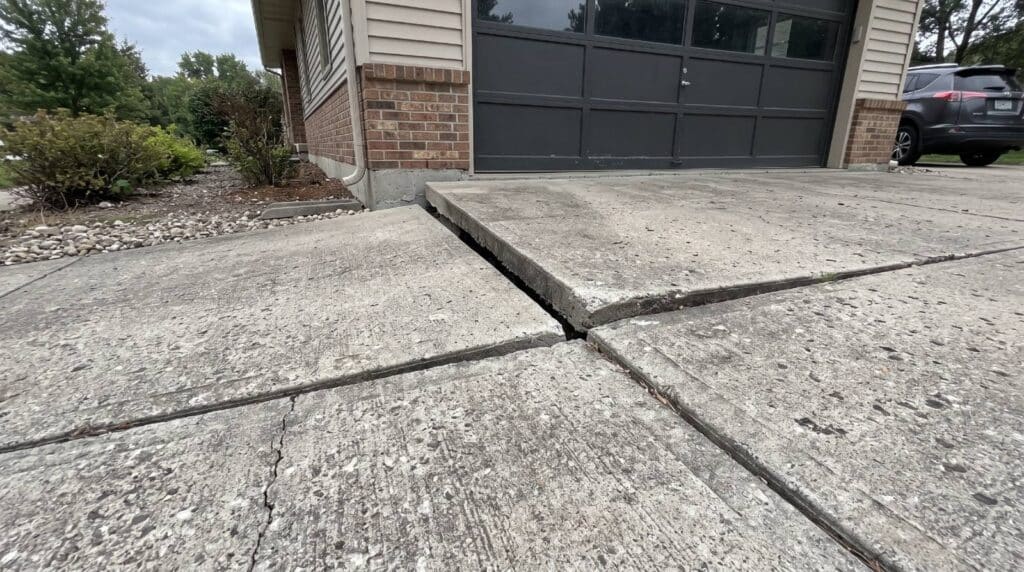
Cracks that keep growing, basement walls that bow, and damp spots that won’t dry out are signs of hydrostatic pressure. When heavy rains soak Alabama’s dense, clay-rich ground, the water builds up and pushes hard against your foundation.
At APS Foundation Repair, we know the signs, we know the fixes, and we’ve got the tools to stop it in its tracks so your basement stays dry, solid, and standing tall.
What Is Hydrostatic Pressure?

Hydrostatic pressure is the force water applies when it builds up in the soil around your basement or foundation. That pressure pushes sideways on your basement walls with force.
Over time, it breaches walls, seeps through cracks, and can even cause your foundation to move. When the ground gets saturated, it turns into a soggy, heavy sponge pressing against your walls. Thanks to heavy rain, poor drainage, or a high water table.
What Causes Hydrostatic Pressure?
Hydrostatic pressure is the result of repeated offenders pushing water against your foundation.
Here’s what causes it:
- Poor Drainage Around the Foundation: If your gutters are clogged, downspouts dump water too close to the house, or the ground doesn’t slope away, you’ve rolled out the welcome mat for water to sit and build pressure right where your basement walls live.
- Heavy Rain or Flooding: When storms hit hard or floodwaters rise, the soil around your home turns into a waterlogged sponge. The heavier and wetter the sponge gets, the harder it pushes on your foundation walls.
- Clay-Rich Soils: When clay-rich soil around your house gets wet, it expands and puts pressure against your foundation.
- High Water Tables: In some places, groundwater sits near the surface. When that water table rises, it adds pressure from beneath the soil, pushing water toward your basement.
Signs That Hydrostatic Pressure Is Damaging Your Basement

Hydrostatic pressure isn’t shy. And when it shows up in your basement, it leaves a trail of clues you could follow.
Here’s what to keep an eye on:
- Horizontal or Stair-Step Cracks: When the dirt outside your house gets waterlogged, it swells. And when it swells, it pushes. Hard. The walls push back, until they don’t. That’s when you see long horizontal cracks or those jagged, stair-step breaks in the blocks.
- Bowing or Bulging Walls: If your basement wall looks like it’s breathing in, that’s the wall itself bending under the weight of saturated soil pressing from the outside.
- Damp Spots, Leaks, or Standing Water: Water has found its way in. When it pools where the wall meets the floor, the pressure outside has already forced a breakthrough. That puddle triggers rot, rust, and ruin to spread.
- Musty Odors or Mold: If your basement smells like a forgotten gym locker, you’ve got airborne proof that water’s made it inside. Mold doesn’t care about your storage boxes or your air quality. It’ll take both.
- Peeling Paint or White Powder (Efflorescence): When water sneaks in, it drags along minerals from the soil and leaves behind a chalky white calling card. Paint flakes off, powder shows up, and the wall just sits there, bleeding evidence.
How Hydrostatic Pressure Damages Basement Walls
Hydrostatic pressure is steady, heavy, and relentless, pushing against your foundation. If you give it enough time, it’ll win.
Here’s how it does the damage:
1) Cracking Walls
When the ground outside your basement gets soaked, it swells up like a sponge. That swelling pushes against your walls until the wall splits into a long horizontal crack or breaks into jagged, stair-step lines, especially if you’ve got block walls.
2) Bowing or Bulging
If you ignore cracks, the wall starts bending inward. A wall that bows is a wall that’s losing the battle and won’t fix itself. That’s your foundation waving a structural repair.
3) Water Intrusion
Even the tiniest basement crack is an open invitation for water. It brings mold, rot, and that damp, stale smell that sticks to everything. Once it’s in, it’s constantly tearing your basement apart.
4) Foundation Instability
Too much pressure outside can shift the soil under your house. When that happens, the very footing your home rests on can move. Suddenly, floors tilt, doors stick, and cracks start climbing up the walls upstairs.
How APS Fixes the Problem
When hydrostatic pressure starts shoving your basement around, a patch and a prayer won’t cut it. We roll up our sleeves and do the whole job: fix the cracks, brace the walls, move the water out, and shore up the ground underneath.
Here’s our solution:
1) Basement Foundation Repair
First, we figure out exactly what’s going on beneath your home. We look at the soil type, how the wall’s moving, and how deep the damage goes. Then we use helical or push piers to lock the foundation into stable ground so it won’t shift again, no matter how wet the soil gets.
Benefit: Stops settlement and keeps your foundation solid for the long haul.
2) Basement Crack Repair
Even a hairline crack is an open door for water. We seal those using systems like carbon fiber strips that flex with your wall, so even if the wall moves a little, the seal holds.
Benefit: Keeps water out for good and protects against mold and wall damage.
3) Foundation Wall Repair
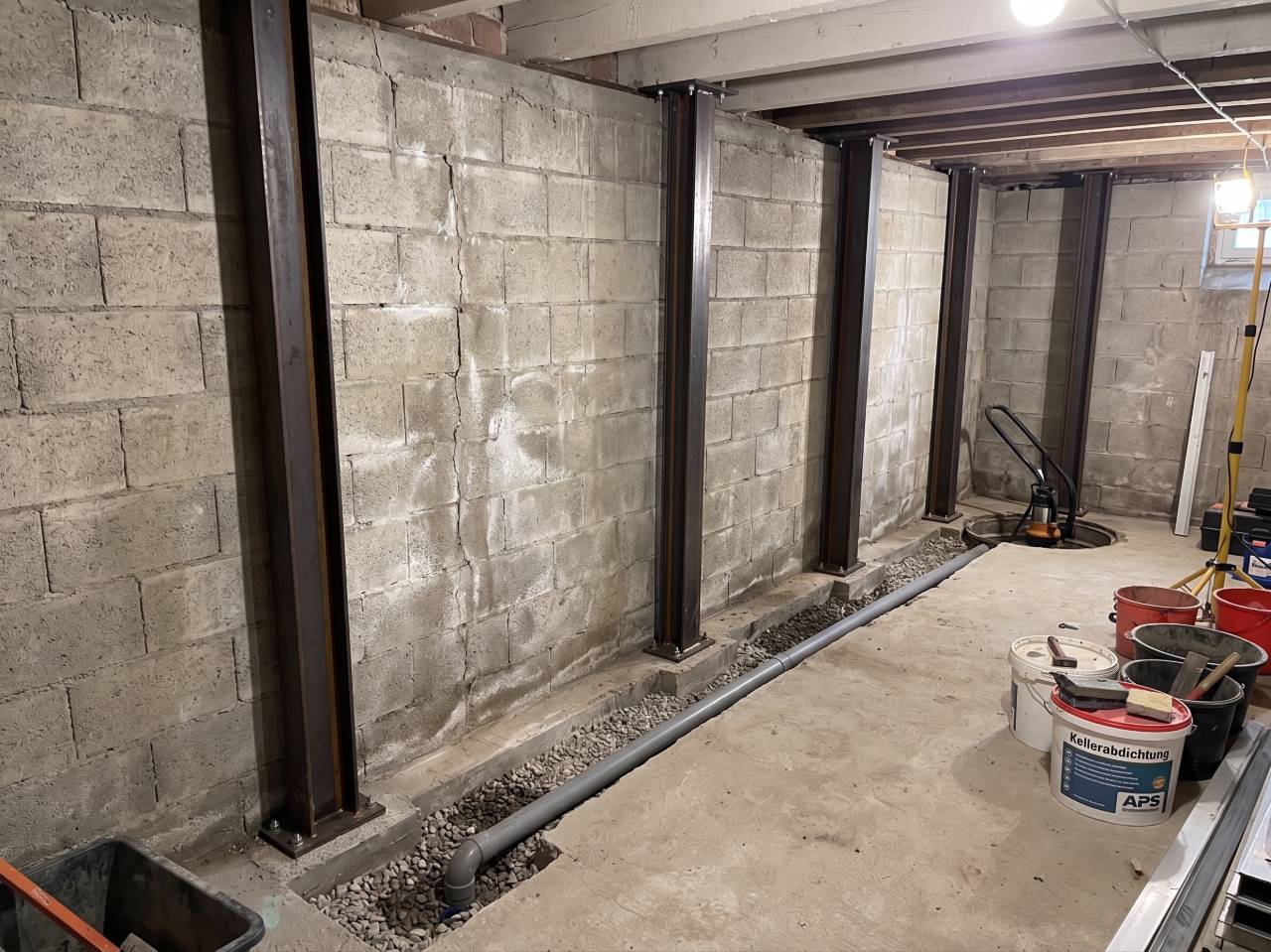
If your walls are bowing, leaning, or breaking apart, we’ve got options:
- Steel I-Beams or Wall Anchors brace the wall and keep it from moving in.
- Carbon Fiber Reinforcement adds strength without eating up space.
- Wall Restoration System rebuilds failing walls from the inside out with steel panels and beams.
Benefit: Strengthens and restores damaged walls without digging up your yard.
4) Soil Stabilization
When water turns the soil under your home into soup, we inject specialized materials that compact and solidify it. That keeps your foundation from sinking or shifting later.
Benefit: Reinforces the ground under your home so it stays put.
5) Basement Waterproofing
We install complete waterproofing systems inside and out to stop water before it can get in and reduce pressure on your walls:
- Drainage channels water away from your basement floor.
- Vapor barriers block moisture from walls.
- Dehumidifiers control humidity and improve air quality.
Benefit: Keeps your basement dry, clean, and free from mold.
6) Sump Pumps
Our sump pump systems kick in automatically to move water out before it becomes a flood. We install primary pumps for everyday use or battery backups to protect you even during a power outage.
Benefit: Removes water before it can rise and cause damage.

7) IceGuards
In freezing weather, sump pump lines can ice over and back up water into your basement. give that water a second escape route, so it never gets trapped.
Benefit: Keeps your basement dry, even in the dead of winter.
What Happens If You Ignore It?
Hydrostatic pressure will not go away. If you ignore it, here is what can happen:
- Structural Instability: Cracked or bowing walls will worsen over time. Your walls can fail without proper support, leading to major structural problems.
- Water Intrusion: When water enters your basement, it can trigger wood rot, mold growth, and damp, poor-quality air. This can damage both your home and your health.
- Lower Home Value: Foundation problems are a serious concern for buyers. The damage history can lower your resale value even if you repair it later.
- Higher Repair Costs: A small crack today can become a major repair. The longer you wait, the more expensive and complicated the repair.
Preventing Hydrostatic Pressure: What You Can Do
You cannot control the rain or change Alabama’s clay-heavy soil, but you can take steps to reduce the risk of water damage:
- Make sure your gutters stay clear so water flows freely. Make sure downspouts release water at least 6-10 feet away from your home.
- Adjust your landscaping so the ground slopes away from your foundation. This helps direct water away instead of letting it pool near your walls.
- After a heavy rain, walk around your home and look for standing water near the foundation.
- Seal any foundation cracks as soon as you notice them to stop water from getting inside.
- Install a sump pump and use a dehumidifier to control moisture in the air.
Don’t Wait Until Your Basement Walls Give In
If you notice cracks, leaks, or basement walls starting to bow, these are warning signs that should not be ignored. The sooner you deal with it, the easier and cheaper it is to fix.
Call APS Foundation Repair today to request your free estimate. We’ll create a basement wall repair, structural repair, and waterproofing so you can face the next storm without worry.